
Understanding the Core Components of a Rifle Cartridge
The Ultimate Guide to Rifle Ammo: Ballistics, Calibers, and Stopping Power
Rifle ammo is a self-contained cartridge that pairs a bullet, propellant powder, primer, and casing into a single, ready-to-fire unit. When your rifle’s firing pin strikes the primer, it ignites the powder, creating rapid gas expansion that drives the bullet down the barrel with impressive speed and accuracy. This design gives you consistent, long-range performance for hunting, target practice, or precision shooting, simply by loading specialty sports a round, aiming, and squeezing the trigger. Choose the right grain weight and bullet type for your target, and you’ll get reliable, repeatable results shot after shot.
Understanding the Core Components of a Rifle Cartridge
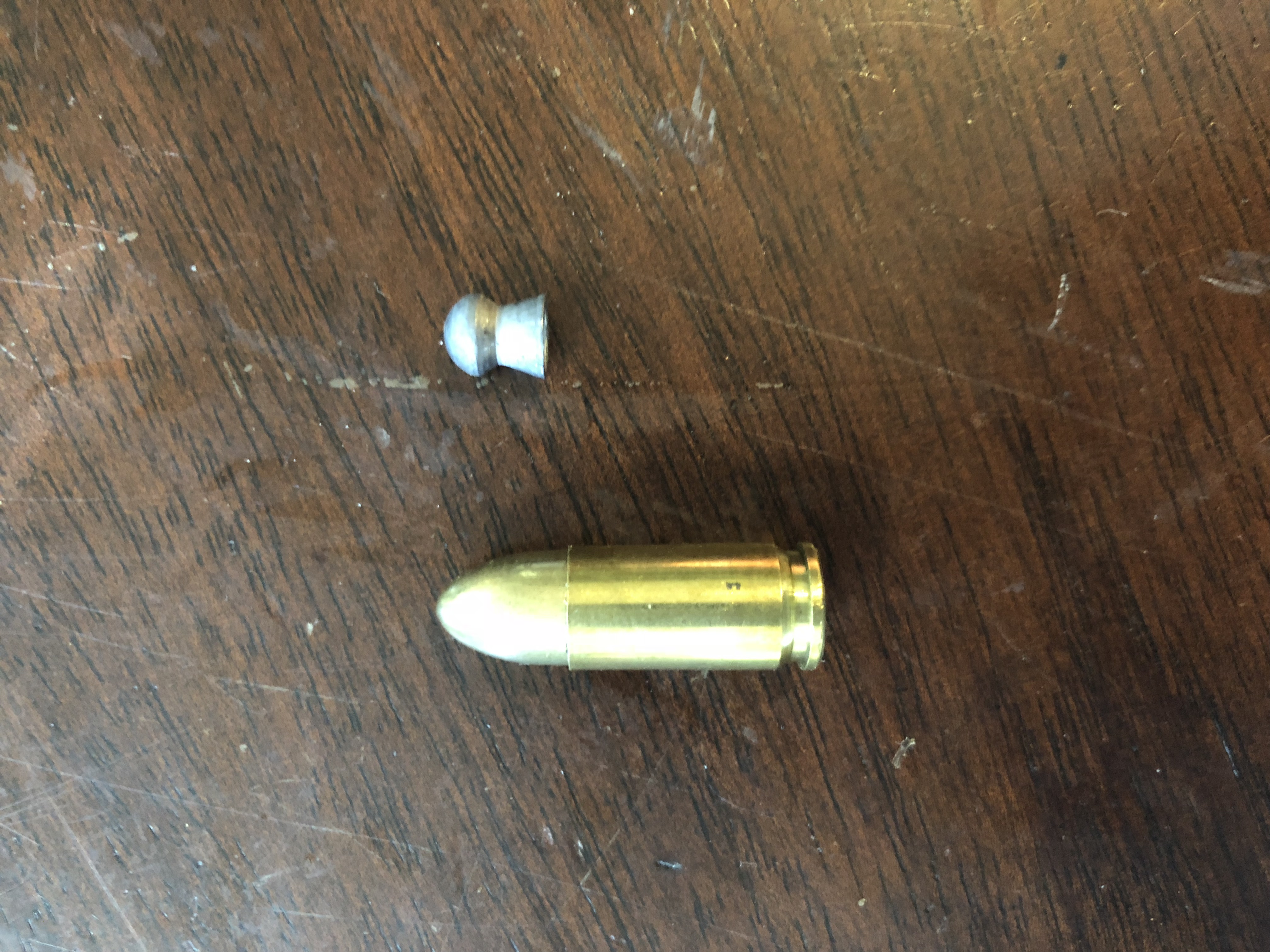
Understanding the core components of a rifle cartridge is essential for safe handling and Handgun Ammo for Sale accurate shooting. The **cartridge case** holds the primer, powder, and projectile together, with its shape and headspace determining chamber fit. The primer, seated in the case head, ignites when struck by the firing pin, creating a flash that ignites the propellant powder. This powder burns at a controlled rate, generating high-pressure gas that propels the bullet down the barrel. The bullet itself, seated at the case mouth, is the projectile that engages the rifling to spin and stabilize in flight. Each component works in sequence; a weak primer or inconsistent powder charge can cause pressure spikes or squib loads. Q: What happens if the primer fails to ignite? A: The cartridge misfires, producing no bullet launch, requiring a dud round to be safely cleared.
What the Case, Primer, Propellant, and Bullet Each Do for Performance
The case’s primary performance role is headspacing and pressure containment, directly influencing how consistently the primer strike ignites the charge. The primer’s compound burn rate dictates ignition uniformity, which translates to shot-to-shot velocity consistency. Propellant burn curve and charge weight then define the pressure spike, determining muzzle velocity and barrel-time harmonics. Finally, the bullet’s seating depth and bearing surface interact with that pressure to establish rifle cartridge ballistic efficiency, balancing drag, expansion, and terminal energy transfer. Each component’s tolerance stack-up—from case neck tension to primer flash-hole size—shifts point of impact, so matching these variables is critical for precision loads.
- Case neck tension holds the bullet, affecting start pressure and consistent release.
- Primer brisance influences peak pressure onset, altering group size.
- Propellant granularity controls burn speed, impacting velocity and pressure curve.
- Bullet weight and profile determine ballistic coefficient under the same internal pressure.
How Case Material and Wall Thickness Affect Pressure and Reloadability
Case material and wall thickness directly govern how a cartridge handles pressure and whether it survives reloading. Brass, with its elasticity, expands under firing and springs back, sealing the chamber while tolerating repeated resizing; thicker walls near the web raise the pressure ceiling but reduce interior volume, which can spike velocities unexpectedly. Thinner case necks, conversely, release the bullet more consistently but risk premature fatigue at high loads. Annealing the neck and shoulder before resizing is essential because work-hardened brass becomes brittle, and a split case at the web is a catastrophic failure that no reloading press can predict. For sustained reloadability, inspect wall thickness uniformity with a caliper and prioritize case wall thickness consistency under high pressure, as even a single thin spot accelerates case head separation.
Why Bullet Weight and Profile Influence Trajectory and Impact
Bullet weight and profile are the primary architects of a cartridge’s ballistic signature, dictating both trajectory and terminal effect. Heavier bullets retain velocity better downrange, resisting wind drift and dropping less at extended distances, while lighter rounds arc steeply and shed energy fast. A sleek, boat-tail profile reduces drag, preserving speed and flattening the path, whereas a flat-base or blunt round-nose design creates turbulence, shortening effective range. Impact shifts because sectional density and frontal shape control penetration and expansion—a heavy, aerodynamic projectile crushes deep and transfers force predictably, while a light, blunt one fragments or deflects on angled bone. Ballistic coefficient alone isn’t enough; matching weight and profile to your target’s size and distance ensures the bullet arrives with the exact momentum and wound channel you need.
Matching the Right Load to Your Specific Rifle and Purpose
Matching the right load to your specific rifle and purpose begins with reading your barrel’s twist rate, as it dictates the bullet weight your rifling stabilizes optimally. For hunting, select a bullet whose expansion window suits your typical shot distance and game size, verifying that your rifle’s magazine feeds that cartridge’s overall length. For precision work, prioritize consistent muzzle velocity and low extreme spread, but only trust loads your particular barrel groups under 1 MOA. Chamber pressure is a variable—a “max” load in one rifle may be over-pressure in another due to throat erosion or bore diameter. Always test at least three loads per bullet weight, watching for pressure signs like cratered primers or stiff bolt lift.
A load that a friend’s rifle loves may be mediocre or dangerous in yours, because every barrel is a unique harmonic system.
Finally, match bullet construction to impact velocity: use bonded or monolithic bullets for close-range, high-impact hunting, and match-grade hollow points for benchrest or competition.
How to Read Box Ballistics and Interpret Muzzle Velocity and Energy Figures
Box ballistics panels list muzzle velocity in feet per second (fps) and energy in foot-pounds (ft-lbs), measured from a specific test barrel length. Compare these figures to your rifle’s actual barrel, since a shorter tube typically drops velocity by 20–40 fps per inch, reducing energy. For practical use, higher velocity flattens trajectory, while energy indicates terminal impact potential. Interpret energy figures relative to your target class—e.g., 1,000 ft-lbs suits deer, while 2,500+ ft-lbs handles elk. Always verify the listed ballistic coefficient (BC) matches the bullet, then calculate your zero range using these numbers. Remember, box data is a baseline; chronograph your own loads for true performance.
Selecting Between Soft Point, Hollow Point, and Full Metal Jacket for the Task
For a given rifle, bullet construction dictates terminal performance more than any other variable. Choose soft points when you need rapid, controlled expansion on medium game at moderate ranges, as the lead tip initiates mushrooming while the jacket holds weight for penetration. Hollow points excel for varmints or self-defense, where violent fragmentation and shallow penetration prevent over-penetration and ruin only fur or drywall. Full metal jackets are strictly for target practice, barrier penetration, or hunting thin-skinned game where deep, non-expanding wound channels and reliable feeding are paramount. FMJ rounds pass through flesh with minimal tissue disruption, so they are inappropriate for ethical kills on larger animals. Matching expansion rate to impact velocity is the true skill, not just picking a tip style. Test each against your barrel’s twist and action’s feed ramp; a cartridge that jams is useless regardless of its projectile.
Choosing the Correct Grain Weight for Barrel Twist Rate and Optimal Accuracy
Selecting the correct grain weight begins with your barrel’s twist rate, expressed as a ratio like 1:8 or 1:12. A faster twist (1:7) stabilizes longer, heavier bullets, while slower twists (1:12) favor lighter projectiles for optimal accuracy. In rifle ammo, matching heavier grains to fast-twist barrels prevents keyholing and preserves ballistic coefficient, whereas light grains in a fast twist can over-stabilize or cause jacket stress. Consulting your manufacturer’s twist spec and testing a ladder of weights at 100 yards reveals the tightest group. Barrel twist rate dictates the optimal grain window; ignoring it yields flyers and poor precision even with premium loads.
Choose grain weight by verifying your twist rate—faster twists handle heavier bullets, slower twists favor lighter ones—then test to lock in the most accurate combination.
Maximizing Accuracy Through Proper Ammo Handling and Storage
Inside a canvas range bag, the box of rifle ammo seemed safe, but after a humid week in the trunk, the brass cases had begun to tarnish. That film of oxidation isn’t just cosmetic—it increases bolt resistance and alters chamber seating, shifting your point of impact. For match-grade accuracy, treat each cartridge like a fragile instrument. Store rifle ammo upright in sealed, desiccant-lined ammo cans, away from floor-level temperature swings that cause condensation inside the case. When loading a magazine, never force rounds or let them rattle against steel; dented case mouths from careless handling are a leading cause of flyers. Also, rotate your stock—old powder degrades unevenly, producing velocity spreads that open groups. Before a precision session, wipe each round with a dry microfiber cloth and keep your fingers off the bullet tip; natural oils leave residue that burns inconsistently. This discipline transforms a good lot into a reliably accurate one.
Best Practices for Storing Loads to Prevent Moisture Damage and Powder Degradation
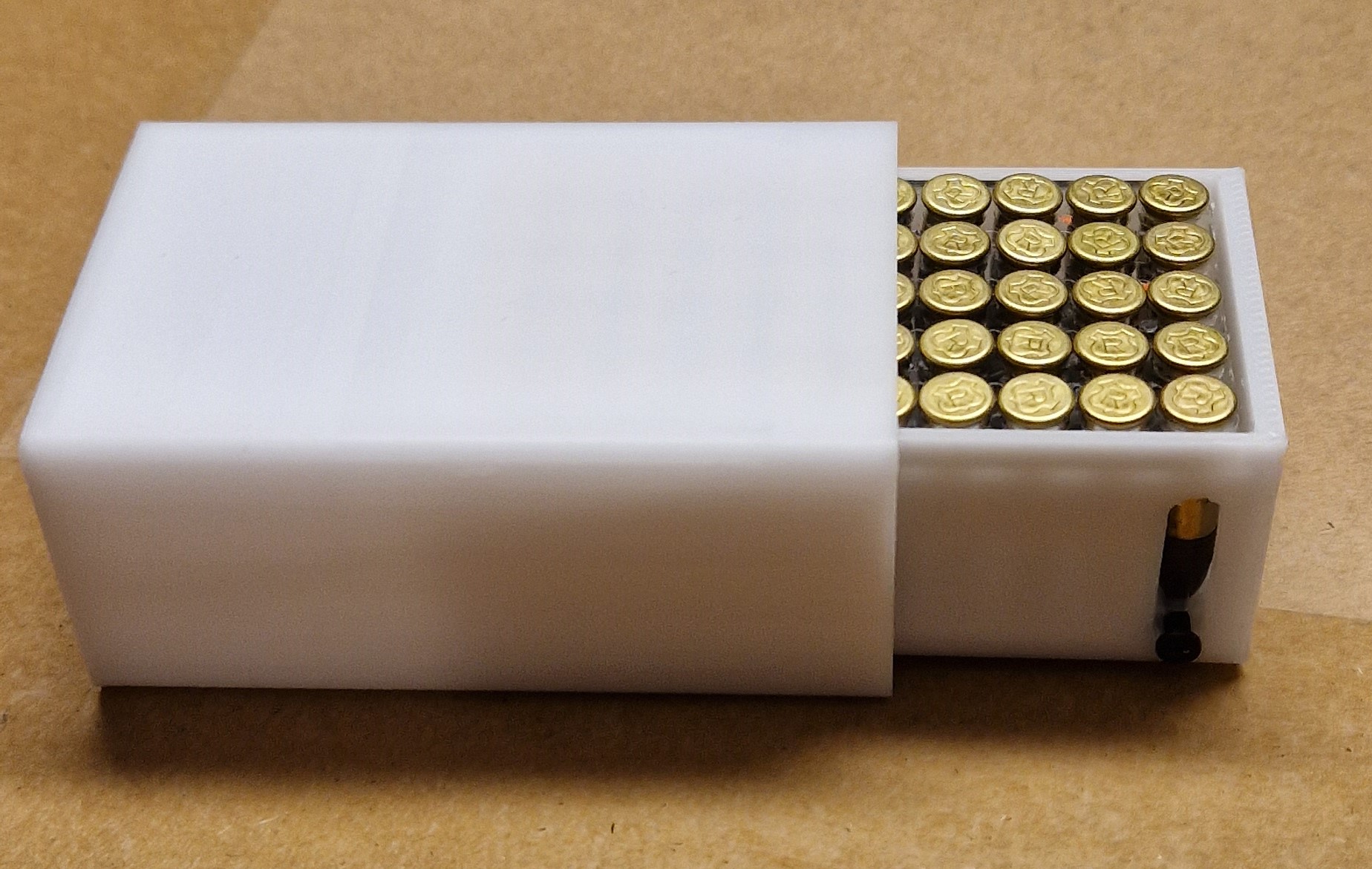
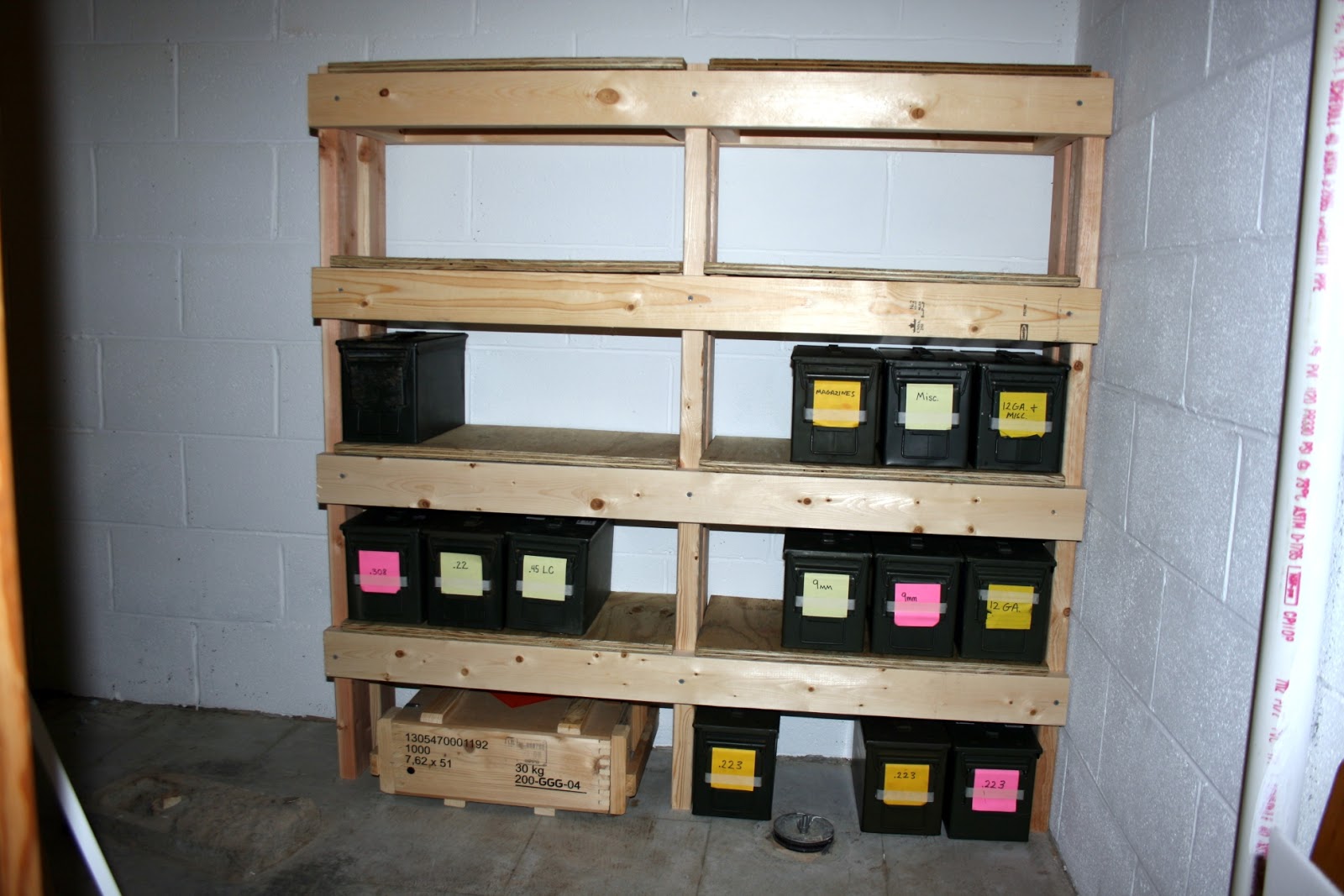
Keep rifle ammo out of humid air by storing it in sealed, airtight ammo cans with a desiccant pack—this is the best defense against moisture damage. Always add silica gel and check it monthly; if it changes color, recharge or replace it. Avoid basements and garages where temperature swings cause condensation inside the case. For long-term storage, toss in a humidity indicator card to verify levels stay below 30%. Rotate your stock 6.5 Creedmoor Ammo for Sale yearly so powder doesn’t degrade from age, even in perfect conditions. Keep primers and powder cool, dry, and stable.
**Q: What’s the simplest way to prevent powder degradation in stored loads?**
A: Just seal your ammo in an Rifle Ammo for Sale airtight can with fresh desiccant and keep it somewhere temperature-stable—your closet beats the shed every time.
How Temperature Extremes Alter Pressure and Point of Impact in the Field
In the field, extreme heat raises powder temperature, increasing burn rate and chamber pressure, which typically drives point of impact upward as velocity spikes. Conversely, bitter cold slows combustion, reducing pressure and dropping velocity, often shifting impacts low and potentially causing erratic grouping if the load nears minimum pressure thresholds. These shifts are not uniform across distances; a load zeroed at 70°F may print several inches off at 300 yards in 0°F or 100°F conditions. Field temperature compensation requires recording your zero’s thermal sensitivity and adjusting your hold or turrets based on the ambient air temperature at engagement time.
- Carry a compact thermometer on your stock or pack to quantify current thermal conditions.
- Chronoograph your load at hot and cold extremes to map 7mm-08 Ammo for Sale velocity drift for your specific cartridge.
- Re-zero at the season’s average temperature, not your 6.5 PRC Ammo for Sale climate-controlled workshop’s temperature.
- Use cold-sensitive powders (e.g., ball powders) only if you can verify their stability across your field’s temperature range.
Cleaning Your Barrel After Different Bullet Types to Maintain Consistent Precision
After firing copper-jacketed rounds, accelerated fouling accumulates in the throat, demanding solvent-based cleaning to restore consistent precision in barrel maintenance. Conversely, lead or unjacketed bullets deposit softer alloys that require a different approach—using a bore paste or lead-removing cloth rather than harsh copper solvents, which can over-clean and alter the seating surface. Polymer-tipped or moly-coated projectiles leave minimal residue, yet still benefit from a dry-patch pass to prevent carbon glaze from masking rifling edges. Matching your cleaning regimen to the projectile’s jacket material ensures that each subsequent shot sees identical friction and pressure, preserving your zero and tightening group dispersion across varying ammunition types.
Practical Tips for Buying in Bulk Without Sacrificing Quality
To buy rifle ammo in bulk without sacrificing quality, first identify your rifle’s exact cartridge and twist rate, then stick to one brand and bullet weight that your barrel groups tightly. Purchase a single box first, shoot a 5-round group at 100 yards, and only commit to a case if that group stays under your acceptable MOA. Check the lot number on the bulk box—consistent headstamps and sealed primers indicate fresh, uniform ammunition. Store bulk ammo in airtight ammo cans with desiccant packs, rotating stock so you shoot the oldest rounds first. Always verify that the bulk price per round beats buying 20-round boxes by at least 15% before ordering. Q: How do you test bulk quality before buying a full case? A: Buy one box from Rimfire Ammo for Sale the same lot, shoot it for accuracy, and inspect for dents or loose primers before scaling up.
How to Inspect Factory Rounds for Common Defects Like Seating Depth and Cracks
Before committing to a bulk purchase, inspect a sample of factory rifle rounds for two critical defects. First, check seating depth consistency by standing each cartridge on its bullet tip; wobbly or uneven bases indicate inconsistent depth. For a precise check, measure cartridge overall length with calipers, comparing each round to the spec—variations beyond 0.01 inch signal problems. Second, visually scan the case neck, shoulder, and body for cracks, hairline fractures, or stress lines, using a bright light and rotating the case. Run a fingernail across suspicious areas; snagging reveals a defect. Reject any lot with multiple failures, as one bad round can damage your rifle.
When to Trust Remanufactured or Surplus Ammo Versus Fresh Production
Trust remanufactured or surplus rifle ammo only when you prioritize range practice over precision and can verify a consistent headstamp. Surplus from reputable military sources is excellent for high-volume drills, but avoid it if you need sub-MOA accuracy or shoot expensive gas guns where a pierced primer means a gunsmith bill. Remanufactured ammo is safe when the company uses automated case inspection and new primers, yet fresh production remains the only choice for hunting, competition, or defensive loads where one failure is unacceptable. For bulk plinking, surplus ammo reliability hinges on proper storage and batch consistency, so buy a small test lot first.
- Trust 7mm WSM Ammo for Sale surplus when it’s non-corrosive and from a known arsenal (e.g., LC, Radway Green) for dirty, cheap practice.
- Trust remanufactured only from companies with a warranty and visible QC checkpoints, not garage reloaders.
- Stay with fresh production for any shot that matters for meat, match score, or self-defense.
- Verify bolt wear and extractor marks after 50 rounds of surplus before buying a full case.
Decoding Lot Numbers and Headstamps to Ensure Batch Consistency
When buying rifle ammo in bulk, batch consistency starts with decoding lot numbers printed on case packaging or the box flap. Lot numbers group cartridges produced from identical powder charges, primers, and projectile lots; matching them across multiple boxes guarantees uniform velocity and point of impact. Headstamps, meanwhile, identify the manufacturer, cartridge caliber, and sometimes the year of production—but they do not indicate internal component uniformity. *Two boxes sharing the same headstamp can still harbor different powder lots, so always verify the lot number separately before commingling rounds.* For precision work, write the lot number on each storage can, and reject mixed-lot purchases unless you plan to zero separately for each batch. This practice prevents unexplained fliers during long-range sessions or competitive matches.
Lot numbers define the true ballistic batch; headstamps only confirm external Ammunition for Sale identity—match both, but trust the lot for consistency.
Getting More Value From Every Box You Fire
Getting more value from every rifle ammo box starts with disciplined zeroing—confirming your point of impact at every planned distance, Shotgun Ammo for Sale not just 100 yards, so your first cold-bore shot counts. Track your shots in a logbook, noting lot numbers and temperature, because identical ammo from different batches can shift impact. Shoot from a stable position for the first five rounds to eliminate shooter error, then transition to your field position for the last five—this reveals true ammo performance. Rather than firing at the same target, use a scaled grid to spot vertical and horizontal spread against an aim point. Practice reloading from the same magazine and bolt speed to mirror real use. Often, the most expensive round is the one you wasted confirming what your notes already told you. Finally, break down the box into three training sessions: validation, cold-bore reps, and stress drills, so each cartridge serves a purpose.
Zeroing Your Scope for the Specific Load You Plan to Hunt or Compete With
Committing to a specific hunting or competition load means your zero must reflect that exact ammunition, not a generic sight-in. Every bullet’s ballistic coefficient, velocity, and point of impact differ, so a zero established with one cartridge will misplace shots with another. Dial your scope at the distances you’ll actually engage, recording the adjustment values for that precise load. Never assume a cold-bore first shot will match your group; verify it after the barrel cools. For maximum confidence, confirm the zero in field conditions—temperatures, altitude, and shooting position—since these alter trajectory. Zeroing your scope for the specific load you plan to use eliminates variables, ensuring your reticle’s holdovers align with real-world impact.
- Record the exact click values and zero range for that load in your logbook
- Re-check zero after a box is stored for weeks, as temperature shifts can change powder burn
- Shoot a three-shot group from a cold barrel to mimic your first hunting shot
Tracking Dope and Temperature Correlation to Extend Effective Range
Tracking dope isn’t just about writing numbers on your stock—it’s about noticing how **temperature shifts your point of impact** before you even pull the trigger. When the mercury climbs, powder burns faster, raising velocity and flattening trajectory; cold air thickens, dragging bullets and dropping impacts. Keep a log pairing ambient temp with your come-ups at set distances, then interpolate between entries. A 20°F swing can move a 6.5 Creedmoor’s impact by 0.3–0.5 mil at 800 yards, so check your dope against the forecast. Your rifle doesn’t care about yesterday’s weather, only today’s. Build a small chart for every 10°F increment—that correlation turns a guess into a precise hold.
Understanding the Trade-Offs Between Velocity, Recoil, and Barrel Life
Chasing maximum velocity from your rifle ammo always comes at a price. Faster loads generate sharper recoil, which degrades your ability to spot impacts and stay behind the scope for a quick follow-up shot. That same high-pressure, high-heat burn also accelerates throat erosion, directly shortening barrel life. The smartest shooters balance velocity against barrel longevity by choosing a load that delivers acceptable trajectory without punishing the rifle or the shooter. A warm, accurate mid-range load often outperforms a hot magnum in practical accuracy after twenty rounds, because you remain relaxed and the bore stays cool. Reserve your hottest factory loads for specific tasks, then switch to a standard practice round for the bulk of your session.
- Hot loads cut barrel life by hundreds of rounds, so reserve them for hunting or competition.
- Felt recoil rises faster than velocity gains, hurting shot-to-shot consistency.
- Use a chronograph to find the slowest load that still flattens your trajectory.
- Cool the barrel between shots to reduce throat wear from sustained high pressure.